
Mastering Vision Top 6 Eye Recovery Protocols to Eliminate Digital Eye Strain for Pro Video Gamers in 2026
1. Enhanced 20-20-20 Rule & Dynamic Breaks
- Micro-Breaks with Focus Shifting: Every 20 minutes, look at something 20 feet away for 20 seconds. Beyond that, actively shift your focus between near and far objects within that 20 seconds. Scan your room, focusing on a distant wall, then a closer object, then back. This keeps your eye muscles agile.
- Palming & Blinking Drills: During slightly longer breaks (e.g., between matches), gently cover your eyes with cupped palms, blocking all light for 30-60 seconds. This allows deep relaxation. Simultaneously, incorporate conscious, forceful blinking (10-15 blinks) to re-lubricate your eyes and clear any debris.
- Eye Yoga Integrations: Simple eye rotations (clockwise, then counter-clockwise), up-down, left-right gazes, and tracing imaginary figure-eights with your eyes can be integrated into your 20-second breaks. These exercises improve ocular muscle flexibility and blood flow.
- Proximity Relaxation: After intense close-up focus on your screen, dedicate a moment (even 1-2 minutes) during a break to look at the furthest visible point in your room or out a window. This helps reset your focal distance.
- Auditory Cues & Reminders: Utilize smart apps or customizable alerts (e.g., through a smart assistant or gaming peripheral software) to gently remind you to take these enhanced breaks without disrupting your flow. Make it a subtle chime or vibration.
- Hydration During Breaks: Use these moments to take a few sips of water. Proper hydration is critical for overall health and directly impacts tear production and eye comfort.
2. Advanced Blue Light Filtration & Adaptive Displays
- Integrated Hardware Filters: Future monitors and gaming devices in 2026 will come with even more sophisticated, dynamically adjustable hardware-level blue light filters. These aren't just software overlays; they're built-in technologies that reduce harmful blue light emission directly from the panel, often without the noticeable color shift that plagues older solutions. Look for certifications like TÜV Rheinland's Eyesafe Display.
- AI-Powered Adaptive Displays: Screens will leverage AI to intelligently adjust color temperature, brightness, and blue light output based on real-time ambient light conditions, time of day, and even user eye fatigue levels detected by external sensors. This creates a seamless visual experience that's constantly optimized for eye comfort.
- Personalized Software Solutions: Beyond basic night modes, advanced software like f.lux or integrated OS features will offer highly customizable blue light reduction profiles. These can be optimized for different games (e.g., less reduction for color-critical games, more for casual browsing) or specific times of day, learning your preferences over time.
- Gaming Glasses Evolution: While current blue light glasses help, 2026 might see thinner, clearer lenses with even more effective and less color-distorting filtration. Some high-end options could include self-tinting capabilities that adapt to screen output or ambient light.
- Ambient Light Sync: Smart lighting systems (e.g., Philips Hue, Govee) around your gaming setup will sync with your screen's color temperature. If your monitor shifts to warmer tones to reduce blue light, your room lighting will gently follow suit, creating a more harmonious, immersive, and less jarring visual environment that reduces contrast strain.
- Dynamic Contrast & Glare Reduction: Beyond just blue light, future displays will actively minimize glare and optimize contrast for maximum readability and minimal eye effort. Anti-glare coatings will be even more effective, and some panels will dynamically adjust local contrast to prevent eye strain during rapidly changing scenes.
3. Targeted Eye Nutrition & Advanced Hydration Systems

- Omega-3 Fatty Acids: Incorporate high-quality fish oil supplements (EPA and DHA) or dietary sources like salmon, mackerel, flaxseeds, chia seeds, and walnuts. These are crucial for maintaining a healthy tear film, reducing inflammation, and combating dry eye symptoms, which are prevalent among gamers.
- Lutein & Zeaxanthin: Found in leafy greens (spinach, kale, collard greens), eggs, corn, and colorful fruits (oranges, kiwi). These powerful carotenoids act as "internal sunglasses," protecting the macula from high-energy blue light and oxidative stress, critical for long-term vision protection.
- Vitamins C & E, Zinc: These are powerful antioxidants that support overall eye health, protecting against cell damage and boosting the immune system. Citrus fruits, berries, nuts, seeds, and lean meats are excellent sources. Vitamin C also aids in collagen production, important for ocular structure.
- Hydration Trackers & Smart Water Bottles: Dehydration significantly impacts tear production and can worsen dry eye. Utilize smart water bottles that track your intake and glow to remind you, or integrate hydration apps with your gaming setup to get gentle reminders throughout your sessions.
- Electrolyte-Balanced Hydration: For intense, long gaming sessions that involve heightened focus and mental exertion, consider electrolyte-infused water. Maintaining optimal electrolyte balance supports overall body function, including nerve signaling and tear quality.
- Topical Eye Drops (Preservative-Free): For immediate relief from dryness, opt for high-quality, preservative-free artificial tears. Consider gel drops for longer-lasting comfort during breaks, especially if you experience significant dry eye. Apply them preventatively before long sessions.
- Nutrient-Dense Snacks: Keep a supply of eye-healthy snacks within reach. Think blueberries (rich in antioxidants), carrots (Vitamin A), almonds (Vitamin E), and hard-boiled eggs (Lutein/Zeaxanthin). These provide quick, beneficial boosts without heavy digestion.
4. Ergonomic Setup Optimization with Dynamic Lighting
"An optimized ergonomic setup is not just about comfort; it's about creating a visual environment that minimizes strain, allowing your eyes to focus more efficiently and recover faster. It's the foundational layer of superior eye health."
5. Smart Eye Monitoring & AI-Driven Intervention
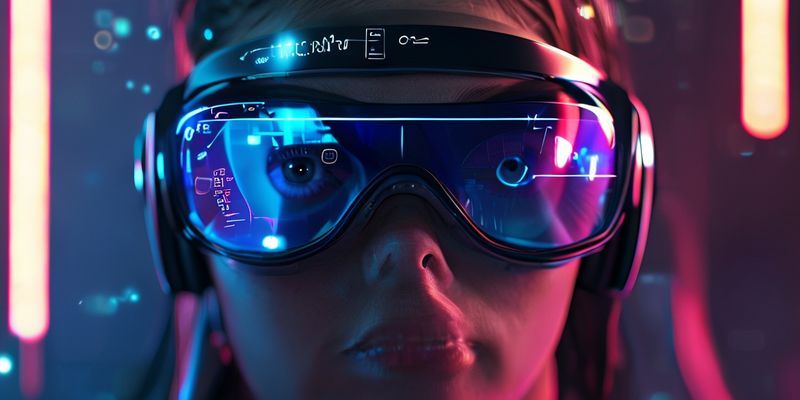
- Real-Time Blink Rate Tracking: Advanced webcams or dedicated eye-tracking sensors can accurately monitor your blink rate. A reduced blink rate is a primary indicator of dry eye and fatigue. If your rate drops below a healthy threshold, the system will provide a gentle, non-intrusive reminder (e.g., a subtle on-screen icon, a soft audio cue) to blink consciously.
- Pupil Dilation & Focus Distance Analysis: AI can analyze subtle changes in pupil dilation and the eye's focal distance, indicating the level of strain on your ciliary muscles. This data can trigger proactive suggestions for a break or automatic adjustments to your monitor's brightness and contrast, often before you even consciously feel the fatigue.
- Personalized Break Scheduling: Moving beyond generic 20-20-20, AI can learn your unique gaming patterns, individual eye fatigue thresholds, and even your game-specific demands. It can then recommend optimal break timings, duration, and even suggest specific eye exercises or hydration based on your real-time biometric data.
- Integrated Game Pauses/Hints: In 2026, some cutting-edge games might even integrate directly with eye health software. When significant strain is detected, the game could offer a natural pause point (e.g., between rounds, during a respawn) or a subtle in-game hint to take a micro-break, making recovery seamless.
- Post-Session Recovery Reports: After your gaming sessions, receive detailed summaries of your eye health performance. These reports highlight periods of high strain, successful recovery moments, and offer personalized recommendations for future sessions or off-screen recovery activities.
- Ambient Light Sensor Integration: These smart systems will also integrate with ambient light sensors in your room. If they detect excessive glare, insufficient lighting, or improper contrast between your screen and surroundings, they will automatically suggest adjustments to your setup, screen settings, or room lighting.
6. Progressive Vision Training & Professional Guidance
- Specialized Vision Therapy Apps: These apps offer structured exercises designed to improve fundamental eye skills like focusing (accommodation), tracking (saccades), and coordination (vergence). Think of it as physical therapy for your eyes, with gamified exercises that challenge and strengthen your visual system.
- Perceptual Training Programs: Software designed to enhance broader visual processing skills crucial for competitive gaming. This includes improving peripheral vision, reaction time, depth perception, visual memory, and rapid target identification. By making your visual system more efficient, you indirectly reduce the effort your eyes need to expend.
- Regular Optometric Check-ups: Crucial for detecting underlying vision issues (refractive errors, binocular vision dysfunction) early. In 2026, these check-ups might include advanced diagnostics tailored specifically to digital screen users, assessing dynamic vision skills relevant to gaming.
- Consulting Vision Specialists: For persistent or severe strain, or for those looking to gain a competitive visual edge, a sports vision specialist or developmental optometrist can provide personalized training programs, corrective lenses, and advanced solutions. They can identify subtle deficiencies and create a targeted plan.
- Biofeedback for Eye Control: Emerging technologies could allow gamers to consciously control eye muscles and focusing through biofeedback. By receiving real-time feedback on eye movement and focus, players can learn to optimize their visual strategies and recovery, making eye recovery more active and effective.
- Integration with VR/AR Training: Future VR/AR platforms could offer immersive, gamified eye training exercises. Imagine a virtual reality environment designed to push your peripheral vision or train rapid focus shifts in an engaging, effective manner.
- Mindfulness & Stress Reduction: While not directly eye training, stress exacerbates eye strain and muscle tension around the eyes. Practices like meditation, deep breathing, and guided mindfulness sessions can help reduce overall tension, benefiting ocular health and recovery.
- Sleep Optimization: Quality, uninterrupted sleep is paramount for eye recovery. During sleep, your eyes get essential rest and repair. Ensure you get 7-9 hours of optimal sleep; consider smart sleep trackers to analyze and improve your rest cycles.
"Treat your eyes like any other muscle you train. Consistent, progressive vision therapy, coupled with expert guidance, can build ocular resilience that directly translates to enhanced gaming performance and long-term eye health. It's an investment in your career and quality of life."
Important Note: Consistency is Your Greatest Ally
The digital landscape evolves rapidly, and with it, the demands on our vision. Staying informed about the latest research, technologies, and best practices in eye care is crucial. What's cutting-edge in 2026 may be standard by 2028. Regularly assess your current protocols and be open to adopting new strategies that align with your needs and the latest advancements.
Remember, your eyes are irreplaceable. Prioritizing their health ensures not only a longer, more successful gaming career but also a higher quality of life away from the screen. Make these protocols non-negotiable elements of your professional journey.
"The future of professional gaming isn't just about faster reflexes or better gear; it's about sustainable performance. And that starts with taking care of your most vital sensory input: your eyes. Consistency in these protocols is the ultimate competitive advantage, ensuring you stay sharp at every stage of your career."
Protocol Comparison: Finding Your Optimal Eye Recovery Plan
| Protocol | Key Benefits | Best For | Implementation Difficulty (1-5) |
|---|---|---|---|
| 1. Enhanced 20-20-20 & Dynamic Breaks | Immediate strain relief, improves focus flexibility, boosts tear production, prevents fatigue buildup. | All gamers, especially those with high screen time and prone to acute fatigue. | 2 (requires habit formation) |
| 2. Advanced Blue Light Filtration & Adaptive Displays | Reduces digital eye strain, preserves circadian rhythm, minimizes retinal stress, maintains color accuracy. | Gamers sensitive to light, evening gamers, anyone concerned about long-term blue light exposure. | 3 (requires hardware/software investment) |
| 3. Targeted Eye Nutrition & Advanced Hydration | Long-term ocular health, reduces chronic dry eye, enhances protective barriers, supports overall well-being. | All gamers, those experiencing chronic dry eyes or seeking foundational eye health. | 2 (requires dietary changes/supplement discipline) |
| 4. Ergonomic Setup Optimization with Dynamic Lighting | Prevents physical discomfort (neck/shoulder pain), optimizes visual acuity, reduces glare/reflections, creates immersive environment. | All gamers, especially those experiencing physical discomfort or poor lighting conditions. | 3 (initial setup time & investment) |
| 5. Smart Eye Monitoring & AI-Driven Intervention | Personalized, proactive strain prevention, real-time feedback, reduces cognitive load of self-monitoring. | High-performance gamers, those who tend to forget breaks, early adopters of tech. | 4 (requires specific tech investment) |
| 6. Progressive Vision Training & Professional Guidance | Builds ocular resilience, enhances visual skills (focus, tracking, depth perception), addresses underlying issues. | Competitive gamers seeking a visual edge, those with persistent vision issues or wanting long-term improvement. | 5 (requires commitment/expert input) |
Ultimately, the best approach is a personalized combination. Start with the simpler, foundational protocols and gradually integrate more advanced ones. Experiment with these protocols, listen to your body, and adapt your routine to find what works best for your unique gaming habits and eye health needs. Consulting with an optometrist or sports vision specialist can provide tailored advice and ensure you're on the right path.
Conclusion: In the relentless arena of professional gaming, your eyes are your most crucial interface. Digital eye strain is a formidable opponent, but with the right proactive strategies, you can not only mitigate its effects but also significantly enhance your visual performance and career longevity.
The year 2026 brings an array of sophisticated tools and refined practices to our fingertips. By consciously integrating these Top 6 Eye Recovery Protocols to Eliminate Digital Eye Strain for Pro Video Gamers in 2026 – focusing on enhanced dynamic breaks, advanced blue light filtration, targeted nutrition and hydration, optimized ergonomics, smart AI-driven monitoring, and progressive vision training – you empower yourself to game longer, sharper, and healthier. Your career longevity, competitive edge, and overall quality of life depend on prioritizing your vision. Invest in your eyes, and they will, in turn, invest in your success.