
Achieving 15% Lean Mass as a Vegan Bodybuilder The 2026 Gut Microbiome Advantage

The Vegan Bodybuilding Blueprint Beyond the Basics
- Strategic Plant Protein Sourcing: Diversify your protein intake with a mix of legumes, soy products (tofu, tempeh, edamame), seitan, and various protein powders (pea, rice, hemp) to ensure a complete amino acid profile throughout the day.
- Micronutrient Vigilance: Closely monitor and supplement essential nutrients like Vitamin B12, Vitamin D, iron, zinc, iodine, and selenium, which can sometimes be lower in strictly plant-based diets.
- Smart Supplementation: Creatine monohydrate, beta-alanine, and omega-3s from algae oil are highly beneficial for strength, endurance, and recovery. Consider digestive enzymes or targeted pre/probiotics as an advanced strategy.
- Calorie & Macronutrient Cycling: Periodize your nutrition by adjusting calorie and macronutrient intake based on training phases (bulking, cutting, maintenance) to optimize energy and recovery.
- Resistance Training Optimization: Implement progressive overload principles with a well-structured training program focusing on compound movements, specific rep ranges for hypertrophy, and adequate rest between sets.
- Recovery Protocols: Prioritize 7-9 hours of quality sleep, manage stress effectively, and incorporate active recovery methods to allow muscles to repair and grow.
Unlocking Anabolic Potential The Gut Microbiome Connection
- Protein Breakdown & Amino Acid Availability 📌 Specific gut bacteria assist in breaking down complex plant proteins into their amino acid constituents. An efficient microbiome can enhance the bioavailability of these amino acids, directly supporting muscle protein synthesis and growth.
- Vitamin Synthesis 📌 Your gut microbes are little factories, producing essential vitamins like Vitamin K and certain B vitamins (including some forms of B12, though supplementation is still key for vegans). These vitamins are crucial for energy production, bone health, and overall metabolic function vital for training.
- Inflammation & Recovery 📌 A balanced gut helps reduce systemic inflammation, which is often exacerbated by intense training. Less inflammation means faster recovery times, less muscle soreness, and a reduced risk of muscle breakdown, allowing for consistent, progressive training.
- Hormone Regulation 📌 The gut microbiome indirectly influences hormone levels, including insulin sensitivity and even steroid hormone metabolism. Optimal hormonal balance is critical for maintaining an anabolic state and maximizing muscle growth.
- Energy Metabolism 📌 Efficient breakdown of complex carbohydrates and fats by gut bacteria converts them into readily usable energy, including short-chain fatty acids (SCFAs) that can fuel muscle cells and support metabolic health.
- Immune System Support 📌 A robust gut barrier and diverse microbiome strengthen your immune system. This means fewer sick days, more consistent training, and a body that's always ready to perform and recover.
Building a Biome for Lean Mass Dietary Strategies for 2026
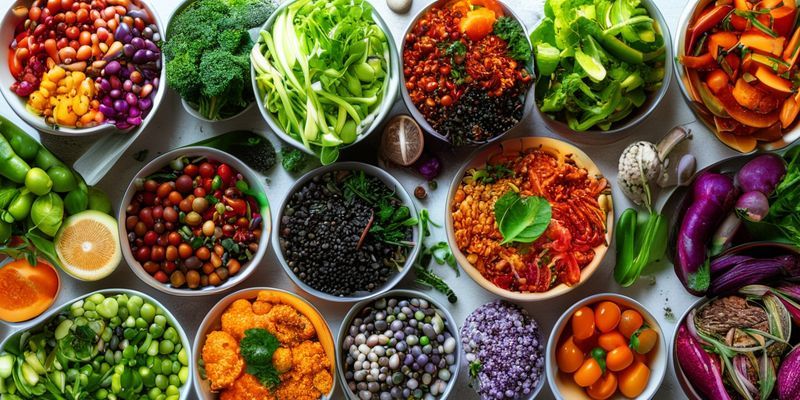
- Fermented Foods Powerhouse: Regularly incorporate foods rich in live active cultures. Think kimchi, sauerkraut, tempeh, natto, miso, and homemade vegan yogurts or kefirs. These introduce diverse beneficial bacteria directly into your gut.
- Fiber-Rich Prebiotic Superfoods: These are the fuel for your good gut bacteria. Focus on oats, barley, legumes (beans, lentils, chickpeas), onions, garlic, leeks, asparagus, green bananas, and jicama. A wide variety ensures a diverse microbial population.
- Polyphenol-Packed Produce: Berries, dark chocolate (vegan), green tea, colorful fruits, and vegetables are rich in polyphenols. These compounds act as prebiotics, selectively feeding beneficial bacteria, and also offer antioxidant benefits, reducing oxidative stress from intense training.
- Resistant Starch Sources: Include foods like cooked and cooled potatoes, rice, pasta, and green bananas. Resistant starch ferments in the large intestine, feeding specific beneficial bacteria and producing short-chain fatty acids (SCFAs) like butyrate, which are crucial for gut barrier integrity and overall metabolic health.
- Diverse Whole Grains: Opt for whole grains like quinoa, brown rice, farro, and whole-wheat pasta. They provide complex carbohydrates for sustained energy and a variety of fibers that support gut diversity.
- Omega-3 Fatty Acids: While not directly microbiome-feeding, sources like flax seeds, chia seeds, hemp seeds, and walnuts contain essential omega-3s that reduce inflammation, which in turn supports a healthy gut environment.
Advanced Gut Bio-Hacking for Vegan Athletes (2026 Outlook)
- Personalized Probiotic Strains: Instead of generic probiotics, we'll see recommendations for specific bacterial strains identified through gut analysis that target athletic performance, inflammation reduction, specific nutrient absorption pathways, or even improved recovery.
- Targeted Prebiotic Supplements: Beyond dietary fiber, novel prebiotic compounds designed to selectively feed particular beneficial bacterial species will become more prevalent, allowing for more precise microbiome modulation.
- Postbiotic Supplementation: Directly supplementing with the beneficial compounds produced by microbes (e.g., butyrate, lactate) could offer a shortcut to their benefits without needing the microbes themselves.
- Advanced Gut Microbiome Testing: More affordable, comprehensive, and accurate home testing kits will provide deeper insights into your unique gut profile, allowing for highly personalized dietary and supplemental interventions.
- AI-Driven Nutritional Platforms: Artificial intelligence will play a role in analyzing an individual's diet, training data, and gut microbiome test results to recommend optimal food choices, meal timing, and supplement strategies.
- Nutrigenomics Integration: Understanding how your genes interact with your diet and gut microbiome will offer another layer of personalization, revealing predispositions and optimal nutritional pathways.
Training Recovery and Lifestyle Synergies

-
Strategic Training Load: Avoid chronic overtraining, which can induce significant physiological stress, impair gut barrier integrity, and lead to gut dysbiosis. Balance intense sessions with adequate rest and active recovery.
-
Quality Sleep: Essential for repairing the gut lining and allowing beneficial bacteria to thrive. Sleep deprivation is a known disruptor of microbiome diversity and can increase gut permeability, leading to systemic inflammation.
-
Stress Management: Chronic psychological stress has a profound negative impact on the gut-brain axis, altering gut motility, increasing permeability, and shifting microbial composition. Incorporate mindfulness, meditation, yoga, or deep breathing into your daily routine.
-
Hydration Excellence: Adequate water intake is critical for proper digestion, nutrient absorption, and maintaining regular bowel movements. It supports the mucus layer of the gut, providing a protective environment for your microbiome.
-
Mindful Supplementation: While some supplements are beneficial, indiscriminately taking too many or low-quality products can upset the delicate balance of your gut. Prioritize high-quality, third-party tested supplements and introduce them one at a time to monitor your body's response.
-
Listen to Your Body: Pay close attention to digestive discomfort, changes in energy levels, skin health, and recovery times. These are all crucial indicators of your gut health and overall well-being. Adjust your diet, training, and lifestyle based on these signals.
Common Pitfalls and How to Avoid Them
- Over-Reliance on Processed Vegan Foods: Many vegan convenience foods, though plant-based, are often highly processed, low in diverse fiber, and high in unhealthy fats, sugar, and artificial additives. These can negatively impact gut diversity and health. Prioritize whole, unprocessed foods.
- Insufficient Fiber Diversity: While eating fiber is good, a lack of *variety* in your fiber sources limits the diversity of your gut microbes. Don't stick to just oats and bananas; aim for a wide spectrum of fruits, vegetables, legumes, and whole grains.
- Ignoring Digestive Distress: Persistent bloating, excessive gas, or irregular bowel movements are signals your gut is not happy. Don't simply tolerate them; investigate the root cause and adjust your diet or lifestyle.
- Abusing Antibiotics (If Unavoidable): If antibiotics are medically necessary, understand they can significantly disrupt your microbiome. Proactively implement gut-restorative strategies with probiotics and prebiotics *after* the course, under professional guidance.
- Lack of Patience and Consistency: Gut microbiome changes take time, often weeks to months, to show noticeable effects. Expect gradual improvements, not overnight miracles. Consistency in diet and lifestyle is key.
- Uninformed Supplementation: Randomly taking probiotics or prebiotics without understanding your specific needs or the strains involved can be ineffective. Personalize your approach based on research or professional advice.